Muhammad and the Christians on History Valley
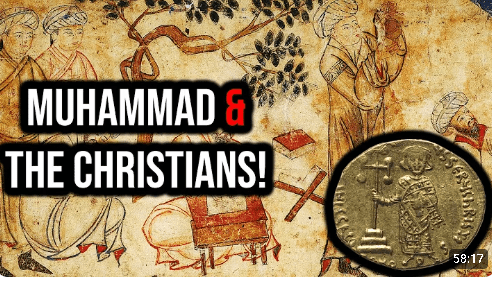
Dr. John Andrew Morrow was interviewed by Jacob Berman on History Valley on December 30, 2025, regarding his book Muhammad and the Christians: Commemorating the Covenants of the Prophet (Academica Press, 2025). The episode can be watched here. Please like, subscribe, comment, and share. For those seeking more information, the book can be purchased here. What follows is a summary of most salient points made by Professor Morrow:

The Covenants of the Prophet Muhammad provide:

1. Universal Protection of Christians

The Covenants declare that all Christians—without exception—are under the protection of Muhammad:

  • Monks, priests, bishops, hermits, and lay Christians
  • Whether they live in cities, deserts, mountains, or monasteries
  • Whether they are Eastern or Western Christians

This protection is perpetual, extending:

  • “Until the end of the world”
  • To all generations of Muslims

Violating the covenant is described as betraying God, His Messenger, and Islam itself.


2. Absolute Protection of Churches and Monasteries

The Covenants repeatedly affirm that:

  • Churches, monasteries, hermitages, and chapels must not be destroyed
  • They may not be confiscated, damaged, or converted into mosques
  • Christian religious property is inviolable

Christians have the right to:

  • Repair and rebuild their places of worship
  • Maintain religious endowments and sacred objects

3. Freedom of Religion and Worship

The Covenants explicitly guarantee:

  • No coercion in religion
  • No forced conversions
  • No interference in Christian beliefs, rituals, or liturgy

Christians are free to:

  • Practice their faith openly
  • Observe fasting, prayer, and sacraments
  • Follow their own canon law and ecclesiastical hierarchy

This principle anticipates Qurʾān 2:256: “There is no compulsion in religion.”


4. Legal Autonomy and Justice

Christians are granted legal self-governance in religious and internal matters:

  • Clergy may judge Christians according to Christian law
  • Muslims must not interfere in church courts
  • Disputes between Muslims and Christians must be resolved justly and mercifully

Christians are entitled to:

  • Equal justice
  • Protection from arbitrary punishment
  • Defense by Muslims if attacked

5. Taxation Limits and Economic Protections

The Covenants sharply restrict economic burdens on Christians:

  • No excessive taxation
  • No unjust collection of jizya
  • Clergy, monks, women, children, the elderly, and the poor are exempt

Christians cannot be:

  • Forced to pay taxes they cannot afford
  • Compelled to provide labor, food, or lodging to Muslim officials or soldiers

6. Protection from Military Abuse

The Covenants forbid:

  • Quartering troops in churches or monasteries
  • Conscripting Christians into Muslim armies
  • Using Christians as human shields or forced labor

Muslims are commanded to:

  • Defend Christians against enemies
  • Protect them during times of war

7. Interfaith Ethics and Brotherhood

The Covenants frame Muslim-Christian relations in ethical and spiritual terms:

  • Christians are described as allies and protected people
  • Muslims must treat Christians with:
    • Kindness
    • Humility
    • Mercy
    • Respect

Marriage between Muslims and Christians is permitted, but:

  • Christian women cannot be forced to convert
  • They must be allowed to worship freely

8. Severe Warnings Against Violation

The Covenants contain strong warnings:

  • Anyone who violates these protections is cursed
  • Such a person “opposes God and His Messenger”
  • Violators will be accountable on the Day of Judgment

The language leaves no ambiguity: breaking the covenant is a grave religious offense.


9. Moral Vision of Islam

Taken together, the Covenants present an Islam that:

  • Protects religious minorities
  • Enshrines pluralism
  • Prioritizes justice over power
  • Grounds political authority in moral obligation

They portray Muhammad not merely as a lawgiver, but as a protector of vulnerable religious communities.


The Covenants of the Prophet Muhammad with the Christians establish permanent protection, religious freedom, legal autonomy, economic justice, and moral brotherhood for Christians, declaring any violation of these rights a betrayal of Islam itself.